Namibia vs South Africa, T20I Preview: A festive first night with Quinton de Kock in the crowd
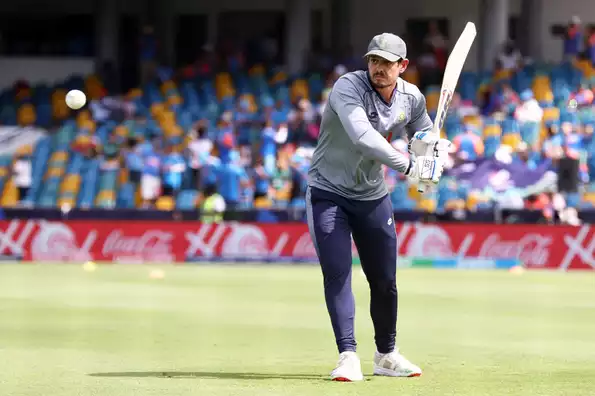
Namibia’s “housewarming party” arrives with a flourish—and a familiar South African flavour. The hosts have invited heavyweight neighbours South Africa for a landmark T20I, and the presence of Quinton de Kock as guest of honour adds a touch of nostalgia and star power to an occasion that’s as much about identity as it is about results. For Namibia, this is a statement evening: a show of infrastructure, ambition, and cricketing maturity. For South Africa, it’s a chance to tune combinations, test depth, and build rhythm in a format that punishes drift and rewards clarity.
What makes this fixture compelling is how well the two teams’ styles intersect. Namibia’s white-ball blueprint is built on discipline and value per ball. Their top order tends to set a base rather than blaze, creating a runway for the middle order to attack targeted overs. Expect calculated risk: hard running between the wickets, judicious use of the sweep against spin, and a willingness to drag the game deep if early wickets fall. With the ball, Namibia are most dangerous when their left-arm pace options create angles upfront and their seamers hit heavy lengths at the death. They don’t rely on mystery; they bank on repeatable skills and committed fielding.
South Africa arrive with the firepower to blow games open in the first six overs. If they bat first, look for a clear plan: one aggressor to stretch the in-field and a partner to own strike rotation. Their middle overs are often where they separate from opponents—elastic wrists through cover, power down the ground, and the ability to convert 10-run overs into 14s without visible risk. With ball in hand, South Africa’s white-ball DNA leans on pace-off, cutters into the pitch, and stump-to-stump discipline. The spinners’ role, as always, will be to compress scoring while hunting miscues with in-out fields.
Conditions will shape tempo. A fresh, celebratory surface typically offers new-ball skid before settling into a two-pace character as the night air thickens. If there’s a hint of grip, the value of batting smarts rises: plucking twos into long pockets becomes gold, and slog sweeps across the line can be fraught. Captains who read the pace of the pitch early—and resist the temptation to chase highlight-reel strokes—will control the scoreboard narrative. Dew, if it arrives, could tilt marginally toward the chasing side by greasing the outfield and flattening spinners’ grip.
Key mini-battles should decide the mood of the evening. Namibia’s openers versus South Africa’s new ball will set the tone: survive with intent, and the hosts can unlock their finishing kick; blink early, and the visitors’ seamers will squeeze with ring fields and hard lengths. In the middle overs, watch Namibia’s right-handers against left-arm pace and wrist-spin—matchups the visitors often exploit with clever angles. Conversely, South Africa’s power hitters will be tested by Namibia’s death-over variations; if the Yorkers land, the finish could be tighter than reputations suggest.
Beyond tactics, the night carries symbolism. De Kock’s presence bridges eras and neighbours, a reminder of shared cricket culture across the border. For Namibia, performing under those lights—backed by a full house and a milestone atmosphere—can catalyze the next phase of their T20 journey. For South Africa, professionalism is the watchword: respect the occasion, impose structure, and bank minutes in the middle for players who’ll matter in bigger tournaments.
Prediction is a mug’s game in T20s, but the template for an upset is clear: Namibia must own the fielding margins, pinch an extra 15 in running, and win one of the powerplays decisively. If South Africa dictate both new-ball phases, their depth should carry them. Either way, it’s a night to celebrate—a fresh home, a world-class guest, and a contest worthy of the invitation.